
Want to Replace an Old Shower? Consider Acrylic Shower Replacement

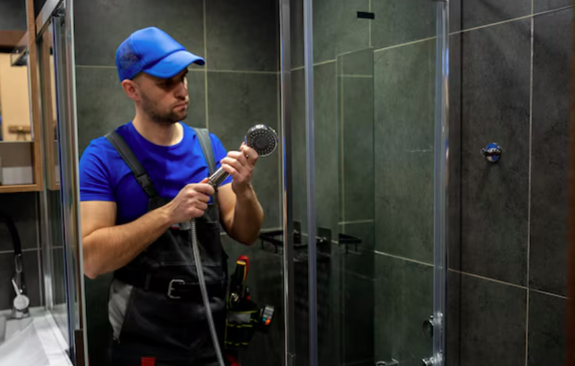
This blog contains practical guidance for homeowners considering an old shower replacement. It explains common signs that a shower may need updating, the benefits of acrylic shower systems, factors that affect tub to shower conversion cost, and planning tips for creating a more comfortable, low-maintenance bathroom.
An old shower can make your bathroom feel dated even when the rest of the space looks fine. Cracked surfaces, stubborn stains, loose fixtures, worn grout, and hard-to-clean walls can turn a simple morning shower into a daily chore. If your shower has seen better days, an acrylic shower replacement can give you a cleaner, fresher space without turning the entire bathroom into a major construction project.
Signs That Your Old Shower Needs Replacement
You do not always need a complete bathroom remodel to make a noticeable improvement. Sometimes, the shower itself is the problem. If the walls have cracks, the base feels worn, or water keeps reaching areas where it should not, replacing the shower may be worth considering.
Watch for these common signs:
- Cracked or damaged shower surfaces
- Persistent mold or mildew
- Loose or worn fixtures
- Leaking around the shower area
- Damaged or difficult-to-clean grout
- Stains that keep returning
- An outdated or uncomfortable shower layout
Another clue is maintenance. Are you scrubbing the same stains again and again? Do you spend more time cleaning than you would like? That is a sign that your current setup may no longer fit your needs.It can also give you an opportunity to improve the shower’s layout, storage, entry, and overall appearance.
Acrylic Shower Systems Offer Easier Everyday Maintenance
Acrylic is popular for shower replacement because it combines a clean appearance with practical everyday care. Its smooth surface does not require the same type of grout maintenance found in many traditional tile installations.
For homeowners, the benefit is straightforward. You want a shower that looks good without demanding hours of upkeep. Acrylic surfaces can help create that balance.
Some features you may consider include:
- Smooth, easy-care wall surfaces
- Different colors and patterns
- Built-in shelving options
- Updated shower fixtures
- Low-threshold entry options
- Shower doors or other enclosure styles
Of course, every bathroom is different. Existing walls, plumbing, dimensions, and the condition of the surrounding area can affect your options. A professional assessment can help you understand what will work in your space before installation begins.
Tub-to-Shower Conversion Costs Depend on Several Project Factors
If you are changing more than the shower surface, your budget may look different. A tub-to-shower project can involve removing the existing tub, preparing the area, adjusting plumbing, installing a new shower base, adding wall panels, and selecting fixtures.
Because every bathroom has different requirements, tub to shower conversion cost can vary from one project to another.
Common factors that may affect the overall project include:
- Bathroom and shower size
- Plumbing changes
- Existing wall and floor conditions
- Shower base and wall materials
- Fixtures and accessories
- Shower doors
- Grab bars or seating
- Installation labor
- Unexpected repairs discovered during removal
Online price ranges should be treated as general starting points rather than exact quotes. Your bathroom has its own dimensions and conditions. A professional estimate can give you a clearer picture of the work involved.
Careful Planning Helps You Get More From a Shower Replacement
A successful shower replacement starts before the first panel is removed. Begin by thinking about how you actually use your bathroom. Do you prefer a wider entry? Would built-in storage make your routine easier? Do you need a handheld showerhead?
Before installation, consider:
- Your preferred shower size and layout
- Storage needs
- Shower entry and accessibility
- Fixture placement
- Surface materials
- Cleaning requirements
- Design preferences
- Your overall project budget
You should also think about how the shower will work with the rest of the bathroom. Colors, wall patterns, fixtures, doors, and accessories can help create a more connected look.
Do not forget the small details. Shelving, shower doors, grab bars, seating, fixtures, and lighting can all affect how useful the finished space feels.
The Right Shower Design Should Match Your Home and Routine
The right replacement should do more than make the bathroom look newer. It should fit your space and your everyday routine.
Start with the problems you want to solve. If cleaning is your biggest concern, focus on easy-care surfaces. If access is difficult, look at entry and safety features. If your bathroom feels outdated, consider a design that works with the rest of the room.
Quality installation matters just as much as product selection. Even a good shower system needs careful preparation and proper installation.
Before work begins, ask:
- What will be replaced?
- What existing materials will remain?
- How long could installation take?
- Could hidden damage affect the project?
- What preparation is included?
- Which features fit the available space?
If you are planning an upgrade, One Day Bath California can connect you with professional bathroom remodeling services and help you explore options for your space.
Final Remarks
Replacing an old shower can be a practical way to improve your bathroom without taking on a complete renovation. Look for signs of damage, ongoing maintenance problems, poor access, or an outdated design. If you are considering a tub upgrade, understanding the tub to shower conversion cost can also help you plan your budget with greater confidence.A well-planned replacement should make your bathroom easier to use and easier to maintain. Take your time, ask questions, and choose a solution that works for your home rather than simply following a trend.
FAQs
- How do I know if my shower needs to be replaced?
Cracks, leaks, damaged surfaces, persistent mold, worn grout, and difficult cleaning can all indicate that your shower may need replacement. - Is acrylic good for shower replacement?
Acrylic can provide a smooth, attractive, and easy-to-maintain surface while offering homeowners several design and installation options. - Can I replace my bathtub with a shower?
Yes. A bathtub can often be converted into a shower, although plumbing, space, flooring, and existing bathroom conditions can affect the project. - What affects the cost of converting a tub to a shower?
Project size, plumbing changes, materials, fixtures, doors, accessibility features, labor, and unexpected repairs can all influence the overall cost. - How long does a shower replacement take?
The timeline depends on the shower system, bathroom condition, preparation work, installation requirements, and whether plumbing or structural changes are needed.